
Your Guide to Anti-Glare Lighting
Anti-glare downlights have become an essential part of modern lighting design, helping to improve visual comfort and reduce eye strain. These specialized fixtures are designed to minimize harsh brightness and the discomfort caused by direct light or reflections.
This makes them a suitable choice for homes, offices, and public spaces where people spend long hours under artificial lighting. Anti-glare downlights combine energy efficiency with advanced optical design to provide soft, evenly distributed illumination that is easier on the eyes without compromising brightness or style.
This article explores the design, benefits, and applications of anti-glare downlights, and explains how they can help improve indoor environments.
What Are Anti-Glare Downlights?
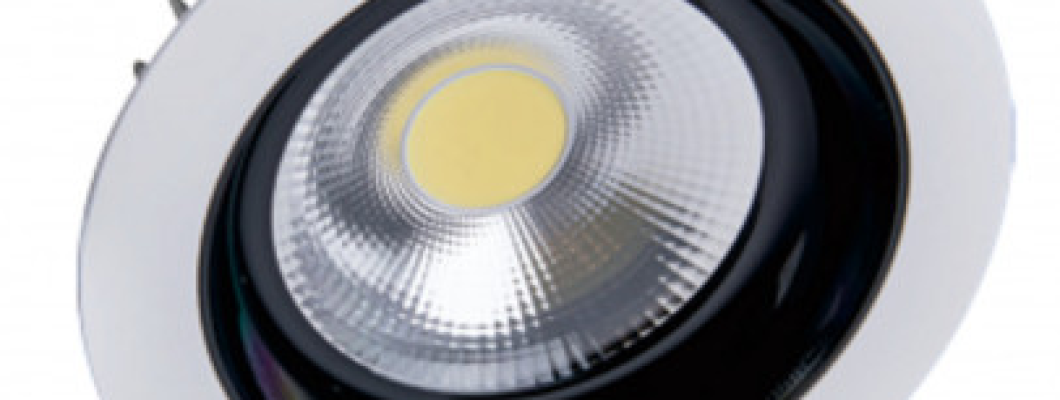
Anti-glare downlights are recessed or surface-mounted lighting fixtures designed to reduce glare—the intense brightness that can cause eye discomfort and fatigue. Unlike traditional downlights, which may produce harsh, direct light, these fixtures use advanced optical components to soften and distribute illumination.
Common design features include:
- Deeply recessed light sources or lenses that keep the lamp out of direct view.
- Internal baffles and louvers that help block stray light rays.
- Matte finishes and diffusing filters that help distribute light evenly.
- Dimming controls that let users adjust brightness and further reduce glare.
Together, these features create balanced, comfortable lighting and reduce visual distractions. This makes anti-glare downlights suitable for offices, healthcare facilities, retail spaces, and modern homes.
Why Anti-Glare Lighting Matters
As people spend more time indoors under artificial lighting, reducing glare has become increasingly important. Prolonged exposure to glare may contribute to eye strain, headaches, and visual discomfort. In workplaces, glare can affect productivity and increase the likelihood of errors, while at home it may make it harder to relax.
Modern lighting standards place greater emphasis on energy efficiency and visual comfort. Anti-glare downlights support both goals by combining LED technology with optical designs that help limit glare. The Unified Glare Rating (UGR) is used to assess visual discomfort caused by lighting, so it is a good idea to check a product’s specifications and suitability for the space before choosing it.
Benefits of Anti-Glare Downlights
- Greater visual comfort: Soft, well-distributed light helps reduce glare and eye strain.
- Support for focus and productivity: Comfortable lighting can improve working conditions and reduce visual discomfort.
- Energy efficiency: LED fixtures use less power, which can help lower running costs and environmental impact.
- Flexible brightness control: Dimming allows users to adjust light levels to suit the activity and space.
- Attractive appearance: Contemporary designs complement a range of interior styles.
Drawbacks and Considerations
- Upfront cost: Models with advanced optical components may cost more than standard downlights.
- Installation requirements: Some deeply recessed designs need more ceiling space and careful installation.
- Light output: Some designs may produce less visible light to soften brightness, so it is important to choose a level of illumination that suits the space.
Where to Use Anti-Glare Downlights
- Homes: Suitable for living rooms, kitchens, and bedrooms, where comfortable everyday lighting is important.
- Offices: Help reduce glare reflected from screens and work surfaces, supporting greater comfort while working.
- Healthcare facilities: Provide calm, even illumination. The light level should be selected to suit the needs of each space.
- Retail spaces: Highlight products while helping reduce harsh reflections, improving the shopping experience.
- Hotels and restaurants: Help create a warm, inviting atmosphere with less visual discomfort.
Standard Downlights vs. Anti-Glare Downlights
| Feature | Standard Downlight | Anti-Glare Downlight |
|---|---|---|
| Glare level | May be high due to direct light. | Lower, thanks to recessed designs and light-diffusing components. |
| Light distribution | May produce direct brightness or reflections. | Provides softer, more evenly distributed light. |
| Visual comfort | May cause eye strain with prolonged exposure. | Designed to improve comfort and reduce visual discomfort. |
| Brightness control | Varies by model. | Dimmable models are available. |
| Suitable applications | General lighting in a range of spaces. | Spaces where comfortable lighting is important, such as offices and homes. |
Conclusion
Anti-glare downlights combine attractive design, visual comfort, and energy efficiency, making them a suitable choice for homes, offices, and other indoor spaces. For the best results, choose a fixture with a brightness level, color temperature, and installation dimensions that match the space and its needs.